Restoring Lives Through Science: E-STAND, Traumatic Brain Injuries (TBIs), & Spinal Cord Injuries (SCIs)
ABOUT: This writing series captures how a small lab is making a big difference. The Restorative Neurotrauma Lab (RNL) is advancing care for patients with traumatic brain injuries (TBI) and spinal cord injuries (SCI) through cutting-edge neurotechnology, a commitment to transformative research, and a deep belief in the strength of human resilience.
Story 1: Dr. David Darrow talks the future of Traumatic Brain Injury (TBI) Research
Role: Writer | Editor | Publisher
Duties: I led this story from start to finish:
- Event coverage: Attended Dr. David Darrow's live webinar during Brain Injury Awareness Month, exploring the future of TBI research and the intersection of neuromodulation and cognitive neuroscience.
- Story development: Crafted the narrative around the presentation, translating complex research concepts into accessible information about brain injuries, treatment, recovery, and emerging research.
- Editing and review: Refined the story through multiple editing rounds, including scientific peer review for factual accuracy.
- Publishing: Finalized and published the story on WordPress.
Published in: HHRI News, 2024
Summary: As part of HHRI's mission to spotlight researchers creating real-world impact, this story explores Dr. David Darrow's vision for the future of traumatic brain injury research.
- Understanding TBI: Explores what traumatic brain injuries are, what causes them, and the lasting effects they can have on patients.
- Treatment and recovery: Highlights approaches to treatment and rehabilitation, including emerging research in neuromodulation and cognitive neuroscience.
- Looking ahead: Shares Dr. Darrow's perspective on the future of TBI research and opportunities to restore function and improve quality of life.
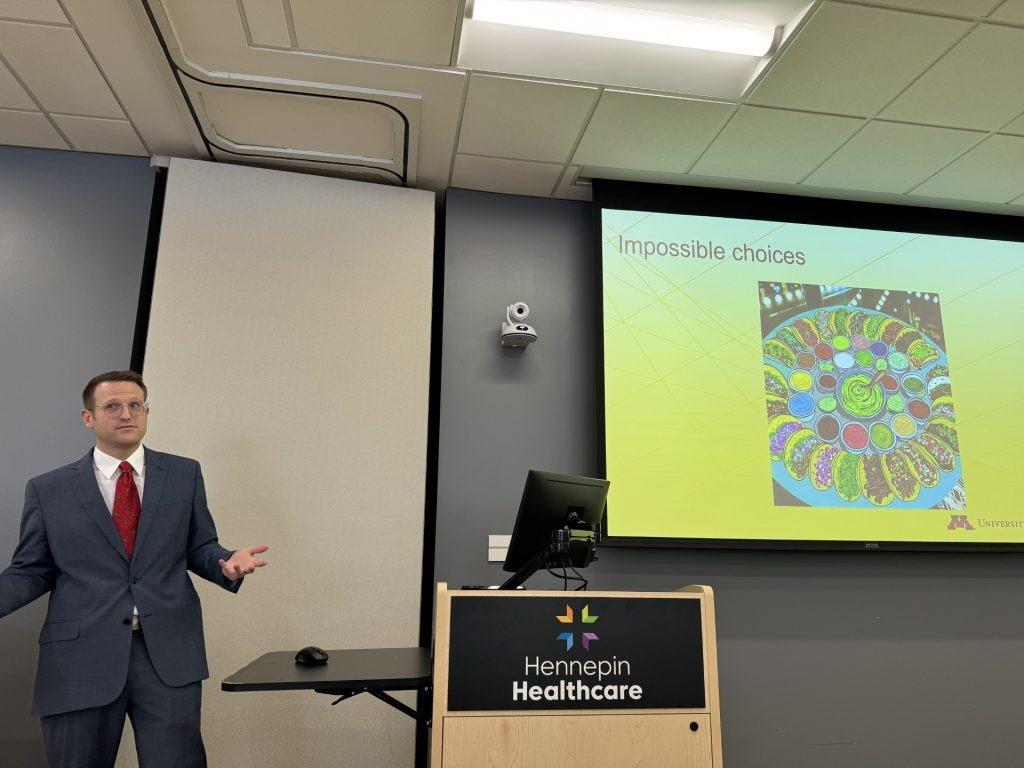
"[I want to] help foster what I think is somewhat of a paradigm shift in how we think about TBI as part of a larger conversation about brain injury and brain illness."
Story 2: A stand of its own: E-STAND study improves the lives of neurotrauma patients
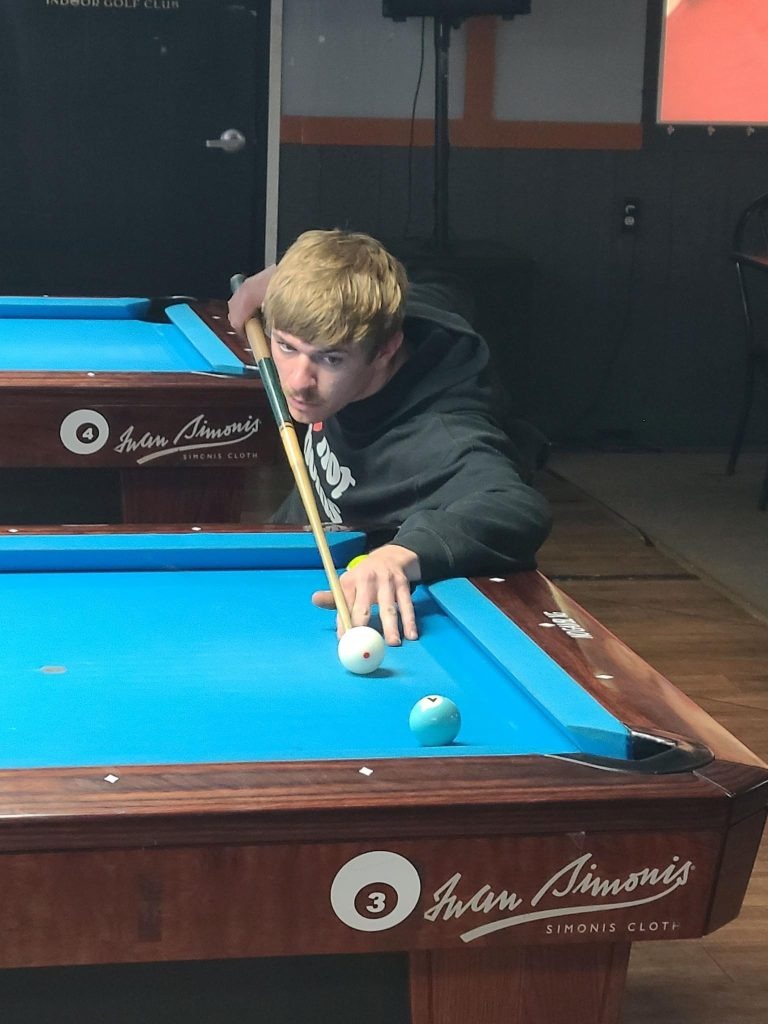
“I’m thankful it wasn’t worse because [there are] people who have it worse than I do. I just know there are people that struggle worse. There [are] so many different levels of struggle – physical, mental… Truly I should have been dead that day. It’s a second chance [on life],” said Faucett gratefully.
Role: Interviewer | Writer | Editor | Visual Curator | Publisher
Duties: I led this story from start to finish:
- Patient interview: Interviewed E-STAND trial participant Evan Faucett during a monthly checkup for his epidural stimulator, capturing his personal experience with the study.
- Patient-centered storytelling: Developed a narrative connecting Faucett's recovery journey with the research team's work to restore movement, independence, and quality of life for people with spinal cord injuries.
- Editing and review: Refined the story through multiple editing rounds, including scientific peer review for factual accuracy.
- Visual development and publishing: Sourced, curated, and captioned supporting visuals before publishing the final story on WordPress.
Published in: HHRI News, 2025
Summary: This patient-centered feature highlights the Restorative Neurotrauma Lab's work through the Epidural Stimulator After Neurological Damage (E-STAND) trial and the experiences of participant Evan Faucett.
- The research: Since 2017, the RNL team has helped more than 24 patients with paraplegia recover some voluntary movement and sensation, while also improving muscle spasticity, cardiovascular conditioning, and core support.
- The patient perspective: Faucett shares his experience with spinal cord injury, treatment, and participation in the E-STAND trial.
- The impact: His story illustrates the potential of epidural stimulation research to improve physical function, autonomy, and quality of life after serious neurological injury.
Story 3: Restorative Neurotrauma Lab (RNL): A small lab making a big difference
Role: Writer | Editor | Visual Curator | Publisher
Duties: I led this story from start to finish:
- Story development: Developed a feature introducing the Restorative Neurotrauma Lab, its researchers, areas of focus, and ongoing studies.
- Research translation: Translated complex neurotechnology and neuromodulation research into accessible information about the lab's approaches to treating traumatic brain and spinal cord injuries.
- Editing and review: Refined the story through multiple rounds of editing, including scientific peer review for factual accuracy.
- Visual development and publishing: Sourced, curated, and captioned supporting visuals before publishing the final story on WordPress.
Published in: HHRI News, 2025
Summary: This feature introduces the Restorative Neurotrauma Lab (RNL), highlighting its research team, innovative approaches, and ongoing studies focused on improving outcomes for patients with neurological injuries.
- The research team: Led by Co-Principal Investigators Dr. David Darrow and Dr. Samuel Cramer, the lab brings together researchers focused on advancing neurotrauma treatment.
- Research approaches: The team explores short- and long-term studies using both non-invasive and invasive neuromodulation methodologies.
- The broader mission: The lab investigates ways to use neurotechnology to improve function and quality of life for people affected by traumatic brain and spinal cord injuries.
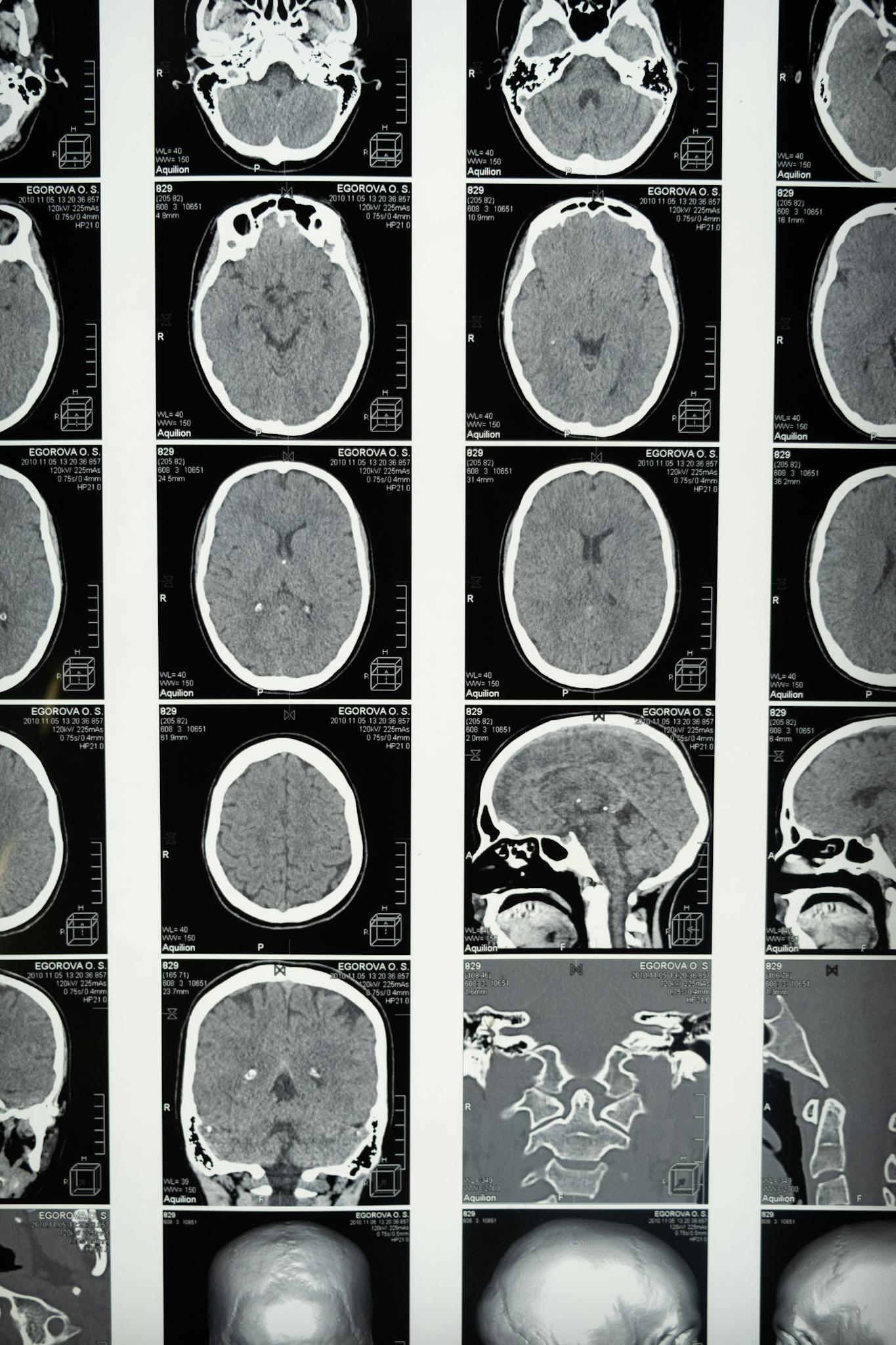
Neurotrauma is an umbrella term to describe injuries to the nervous system and includes traumatic brain injury (TBI) and spinal cord injury (SCI). There are many different types of neuroelectric devices used in medicine to target nerves in the body to decrease pain or restore bodily functions. Neuromodulation uses electrical impulses and can be used in most areas of the body and is currently being used to treat urinary and bowel incontinence, SCIs, Parkinson’s disease, hearing loss, pelvic floor disorders, chronic pain, tremors, headaches, depression, and other health conditions.